
Rhode Island summers are synonymous with beautiful coastal views, but they also bring a unique challenge: high humidity. This persistent moisture in the air can significantly impact the performance and efficiency of your home or business's heating and cooling system, making your indoor spaces feel clammy and uncomfortable. At Atlantis Comfort Systems, we understand how frustrating these conditions can be, and we’re here to shed light on why your HVAC system might be struggling to keep up.
The Invisible Burden: How Humidity Affects Your HVAC System
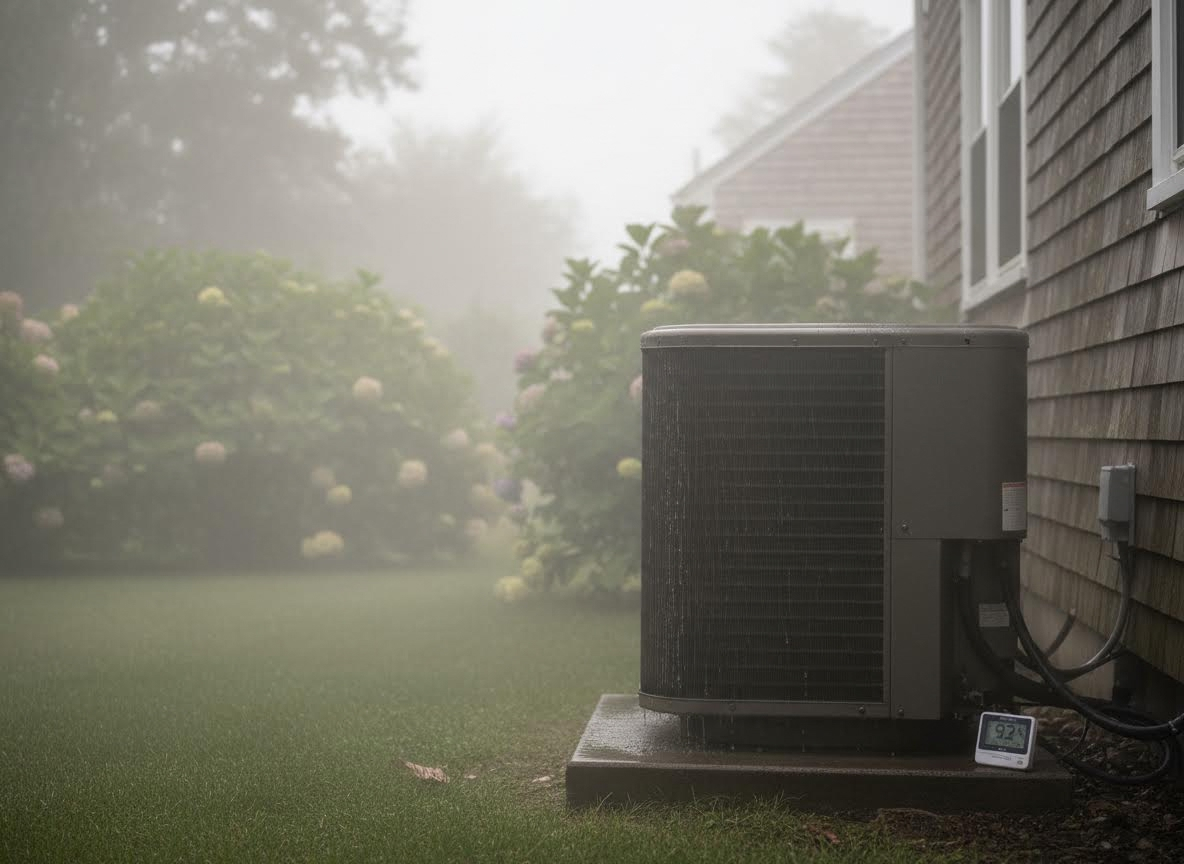
Your heating and cooling system is primarily designed to remove sensible heat, which is the heat that raises the temperature of the air. However, a significant portion of its job, especially in humid climates, involves removing latent heat, which is the energy required to convert water vapor into liquid water – essentially, dehumidification. When humidity levels are exceptionally high, your system has to work much harder to condense this moisture out of the air before it can even begin to effectively cool your space. This dual effort means your unit runs longer, consuming more energy without necessarily providing the comfort you expect, impacting both residential HVAC and commercial HVAC systems.
Signs Your System is Overwhelmed by Humidity
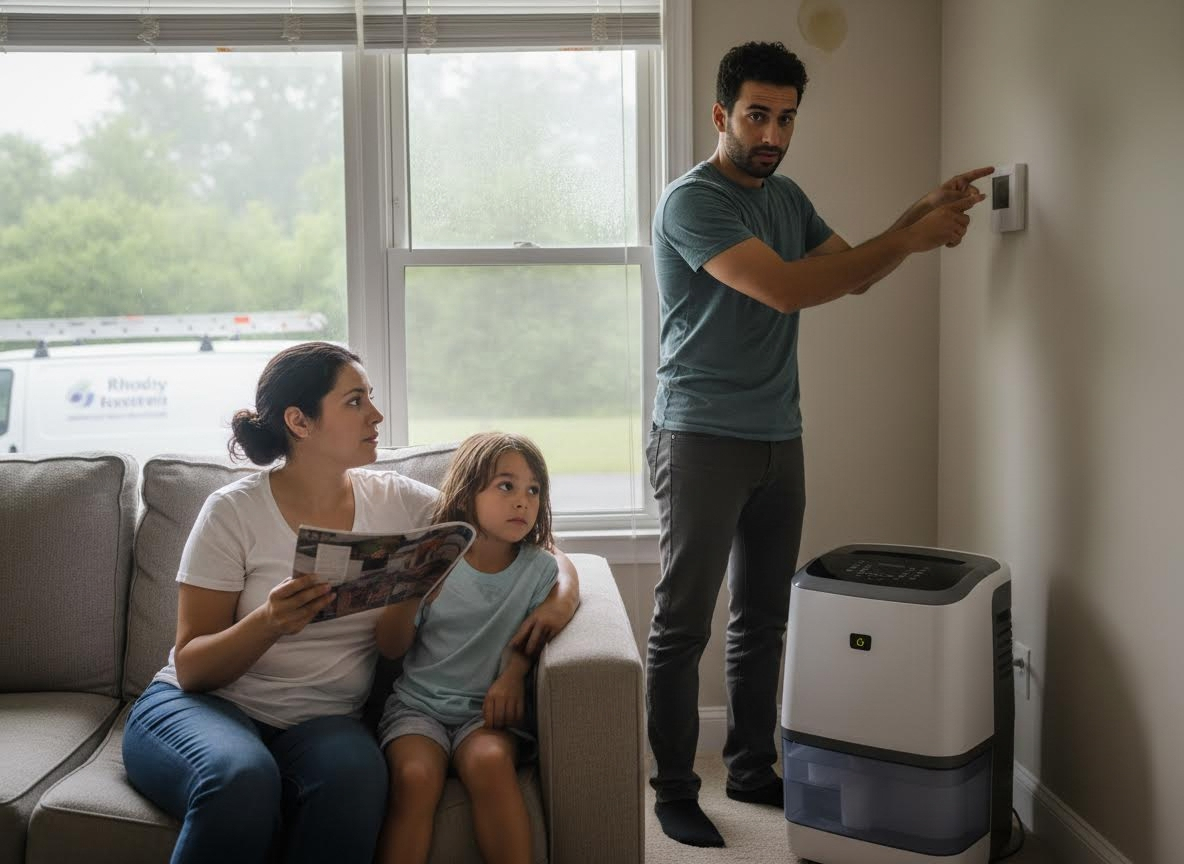
When your HVAC system is fighting a losing battle against Rhode Island's humidity, you'll likely notice a few tell-tale signs. The most common symptom is feeling sticky or clammy indoors, even if your thermostat reads a comfortable temperature. Your air conditioner might seem to run constantly, struggling to reach its set point, which can lead to higher utility bills. In extreme cases, high indoor humidity can contribute to the growth of mold and mildew, particularly in damp areas or within your ductwork, leading to musty odors and potential air quality issues. This constant strain also puts undue wear and tear on your equipment, potentially shortening its lifespan and necessitating more frequent HVAC services.
Strategies for Battling High Humidity
Addressing humidity issues involves a multi-faceted approach. Ensuring your HVAC system is properly sized for your space is crucial; an oversized unit might cool too quickly without adequately removing moisture, leading to short cycling. Regular professional HVAC maintenance, including cleaning coils and checking refrigerant levels, helps your system operate at peak efficiency, improving its dehumidification capabilities. Consider supplementing your system with a dedicated whole-home dehumidifier, which can work independently to manage moisture levels. Furthermore, simple home improvements like sealing air leaks around windows and doors, and ensuring proper insulation, can significantly reduce the amount of humid air infiltrating your property.
Expert Solutions for Lasting Comfort
When facing persistent humidity challenges, relying on an experienced HVAC contractor can make all the difference. A professional heating and cooling company can assess your specific situation, diagnose underlying issues, and recommend tailored solutions for optimal indoor comfort and energy efficiency. From advanced AC installation techniques that prioritize dehumidification to comprehensive maintenance plans and targeted repairs, expert guidance ensures your system is equipped to handle Rhode Island's unique climate.
Effectively managing indoor humidity is essential for comfort, health, and energy efficiency, particularly during Rhode Island's humid seasons. When your heating and cooling system struggles, it's often a sign that it needs a closer look to ensure it’s operating optimally and not just fighting an uphill battle. To explore how we can optimize your comfort and energy efficiency, consider reaching out to the experts at Atlantis Comfort Systems for a personalized assessment of your heating and cooling needs.