
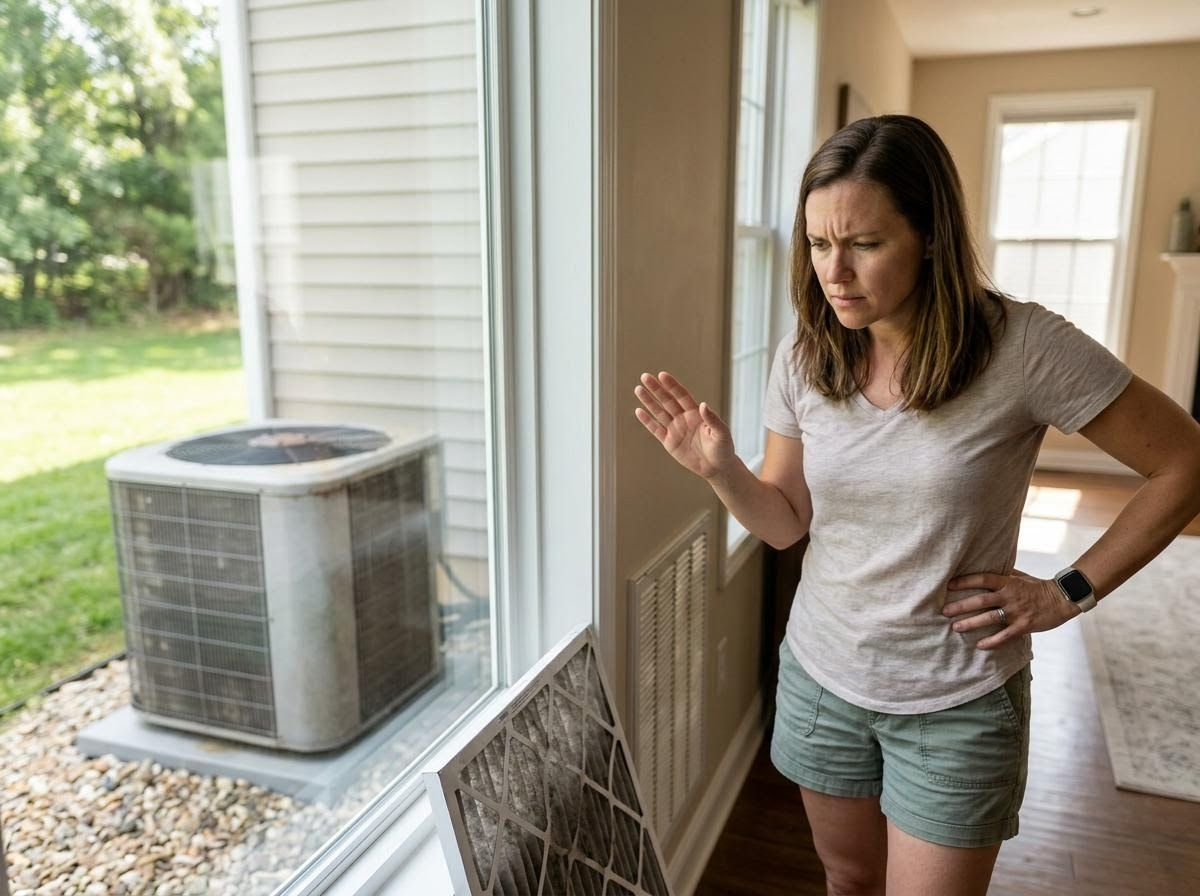
There's nothing quite as frustrating as stepping indoors on a hot day only to find your air conditioner isn't delivering the cool relief you expect. A malfunctioning AC can quickly turn your comfortable Rhode Island home or business into an uncomfortable sauna. Understanding why your system might be failing to cool is the first step toward getting things back on track, and Atlantis Comfort Systems is here to help you navigate these common issues.
Simple Checks You Can Make First
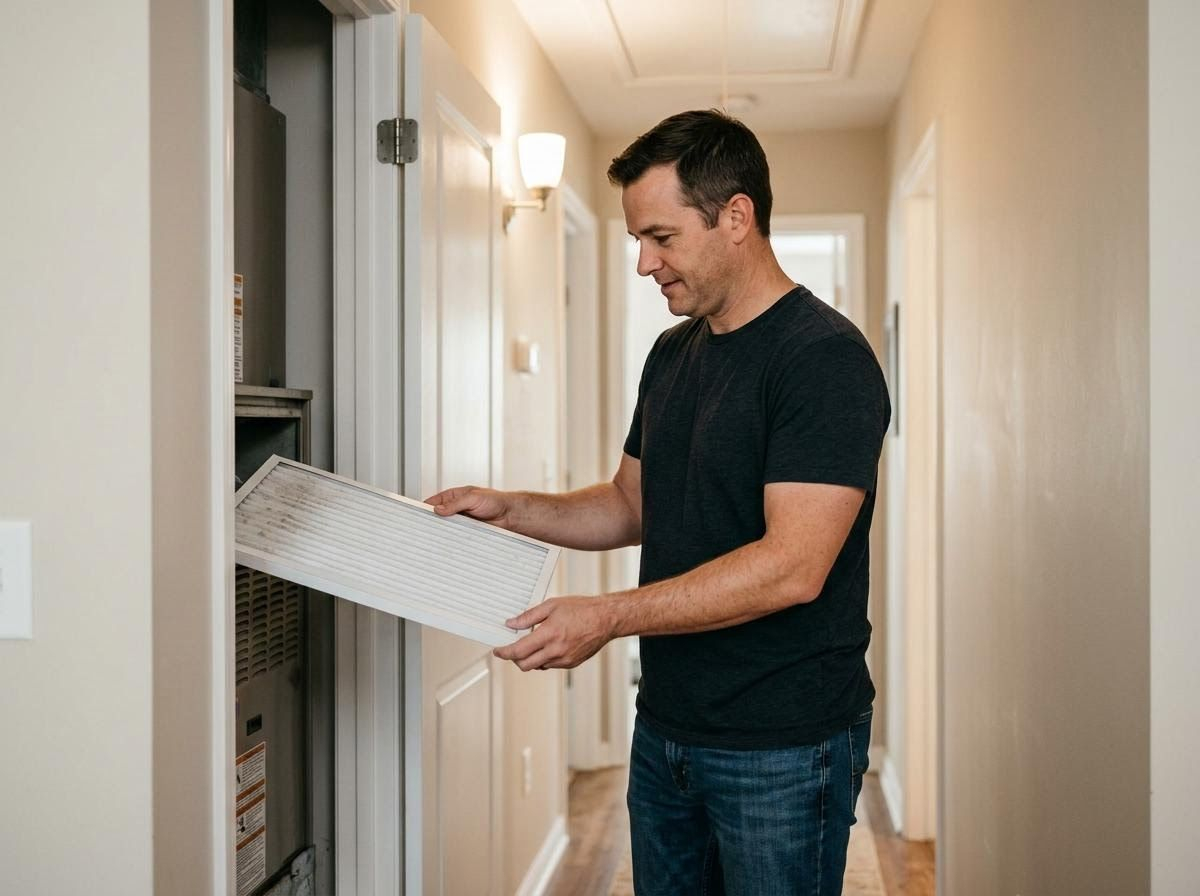
Before panicking, it's always a good idea to check a few basic things that could be preventing your AC from cooling effectively. Start by examining your air filter; a clogged, dirty filter severely restricts airflow, making your system work harder and less efficiently. Next, verify your thermostat settings are correct, ensuring it's set to "cool" and the temperature is lower than the current room temperature. Also, check your circuit breaker panel for a tripped breaker that might be cutting power to your outdoor unit. Sometimes, the fix is as simple as flipping a switch or replacing a filter, which can save you a service call.
The Impact of Low Refrigerant
Refrigerant is the lifeblood of your air conditioning system, responsible for absorbing heat from your indoor air and releasing it outside. If your system is low on refrigerant, it's typically due to a leak in the lines, coils, or other components. When refrigerant levels drop, your AC loses its ability to transfer heat, leading to warm air blowing from vents or the system running constantly without ever reaching the desired temperature. Low refrigerant is not just inefficient; it can also cause damage to your compressor over time, making it crucial to have any leaks professionally identified and repaired, not just topped off.
Dirty or Frozen Coils
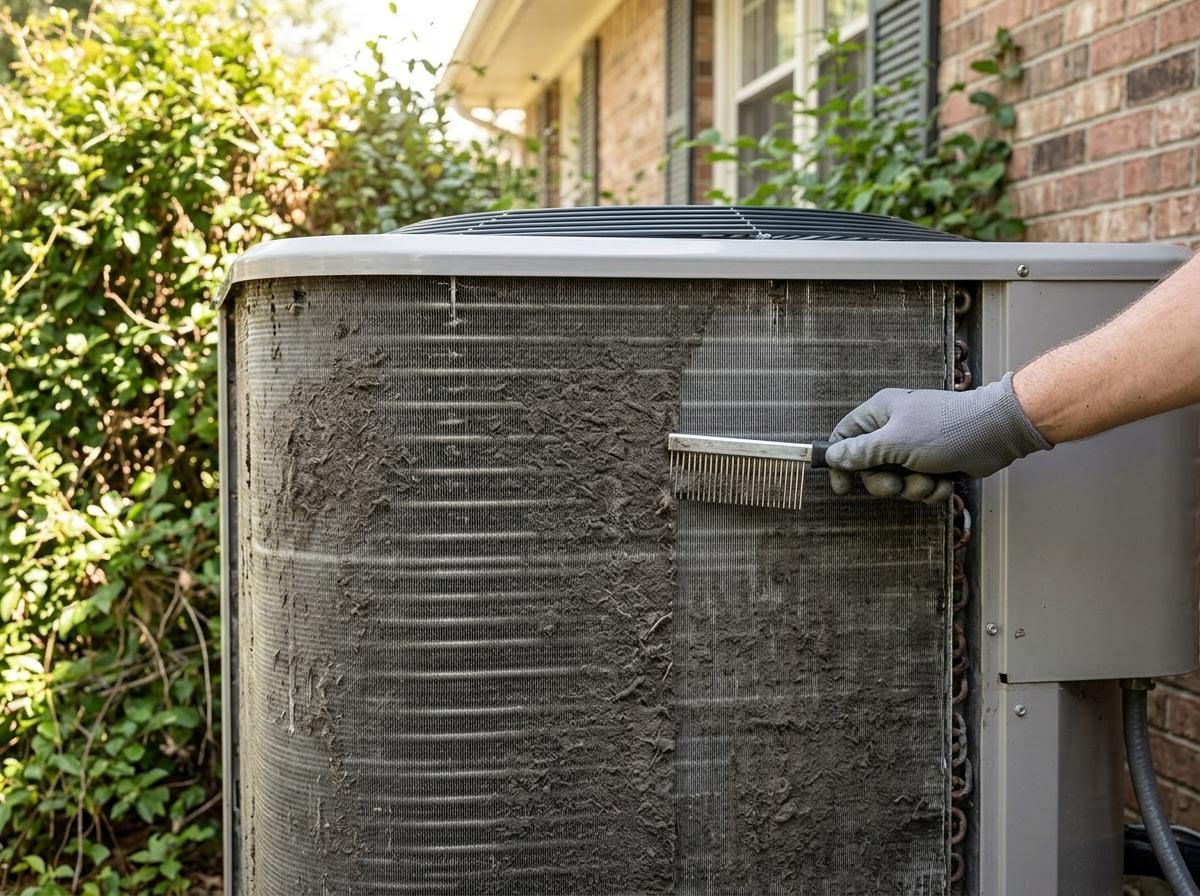
Your AC unit relies on two main sets of coils: the evaporator coil inside your home and the condenser coil in the outdoor unit. The evaporator coil absorbs heat from your indoor air, and if it becomes covered in dirt and grime, it loses its ability to effectively absorb heat. This can also lead to the coil freezing over, creating a block of ice that further restricts airflow and heat transfer. Similarly, a dirty condenser coil outside cannot efficiently release the heat it has collected from inside, forcing your system to work harder, consuming more energy and delivering less cooling power. Regular cleaning and maintenance are essential to keep these coils functioning optimally.
Fan Issues and Compressor Failure
The outdoor unit's fan plays a critical role in cooling the refrigerant by blowing air over the condenser coil. If this fan isn't spinning, heat won't be dissipated, and your system will struggle to cool. Another significant problem is a failing compressor, which is the heart of your AC system. The compressor circulates the refrigerant through the system; if it's malfunctioning, the entire cooling cycle grinds to a halt. These issues are typically more complex and require the expertise of a qualified HVAC technician to diagnose and repair, as they involve intricate components and potentially high-voltage electrical work.

Restoring Your Home's Comfort
Experiencing a non-cooling AC can be frustrating, but understanding these common culprits is the first step toward a solution. While some issues allow for simple DIY fixes, many require the trained eye and specialized tools of a professional. Prompt diagnosis and repair not only restore your comfort but also prevent further damage and maintain your system's efficiency. If you're experiencing AC troubles, reaching out to a qualified HVAC professional for a thorough diagnostic can restore your comfort quickly and efficiently. Learn more about maintaining your home's optimal indoor climate by exploring Atlantis Comfort Systems' seasonal HVAC tips and services.