
Is your energy bill suddenly higher than usual, leaving you scratching your head about where all that power went? You're not alone. Unexpected spikes in utility costs can be perplexing, but understanding the underlying causes is the first step toward regaining control. Atlantis Comfort Systems, your trusted Rhode Island HVAC partner, is here to help you unravel the mystery behind those sudden surges and provide insights into optimizing your home's energy consumption, from your Residential HVAC system to other household factors.
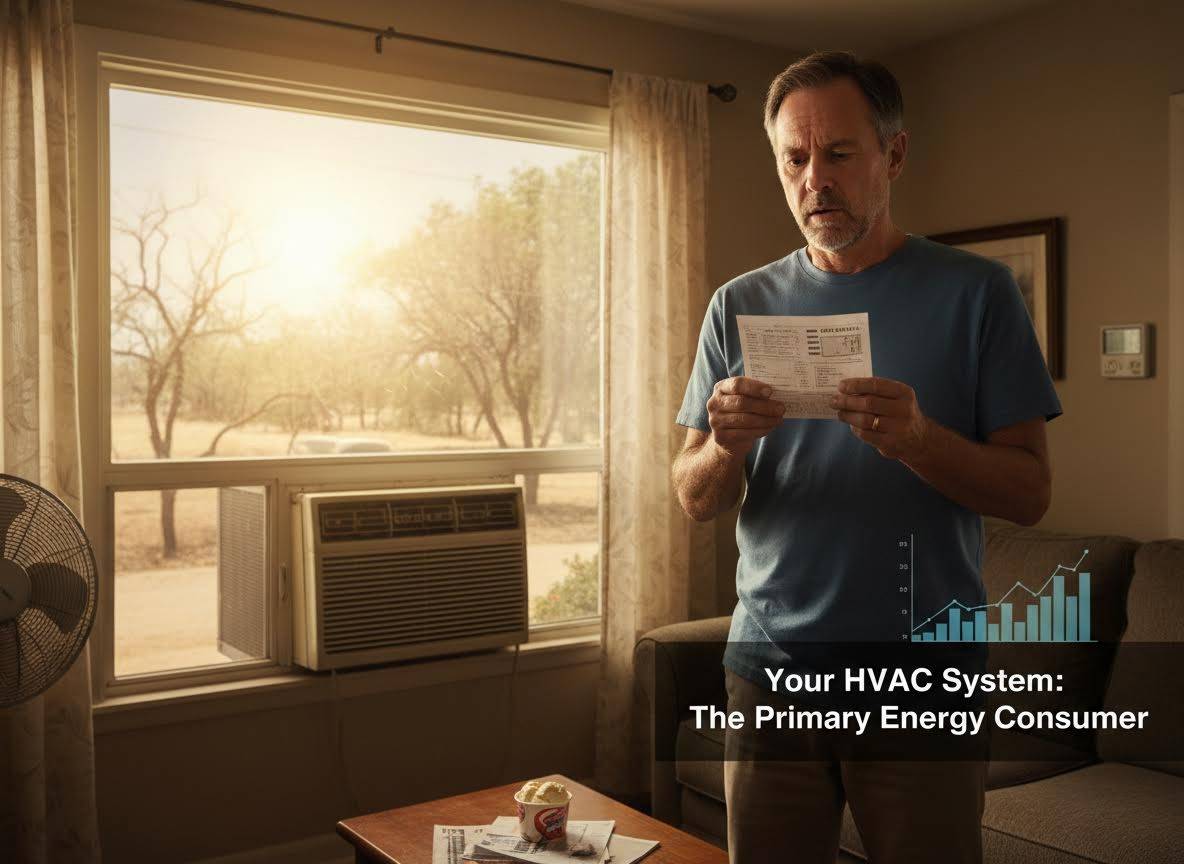
Your HVAC System: The Primary Energy Consumer
Your heating and cooling system is often the biggest energy user in your home, especially during peak seasons. Extreme weather, whether it's scorching summer heat or a frigid winter cold snap, forces your system to work harder and longer to maintain your desired indoor temperature, directly leading to increased energy consumption. An older, inefficient Residential HVAC unit may also be a significant contributor to high bills, as it expends more energy to produce the same amount of heating or cooling compared to newer, high-efficiency models. Additionally, improper thermostat settings, such as setting the temperature too low in summer or too high in winter, can drastically inflate your energy usage.
Beyond the Thermostat: Other Household Energy Vampires
While your heating and cooling system plays a major role, other factors contribute to your home's energy costs. Poor insulation in attics, walls, and crawl spaces allows conditioned air to escape, making your HVAC system work overtime. Leaky windows and doors are also significant culprits, letting valuable heating and cooling seep out. Furthermore, energy-intensive appliances like older refrigerators, electric water heaters, and even laundry appliances can contribute to spikes, especially if they are used more frequently or are nearing the end of their lifespan. Even smaller electronics can add up through "phantom loads" when they draw power while plugged in but not in use.
The Power of Proactive Maintenance
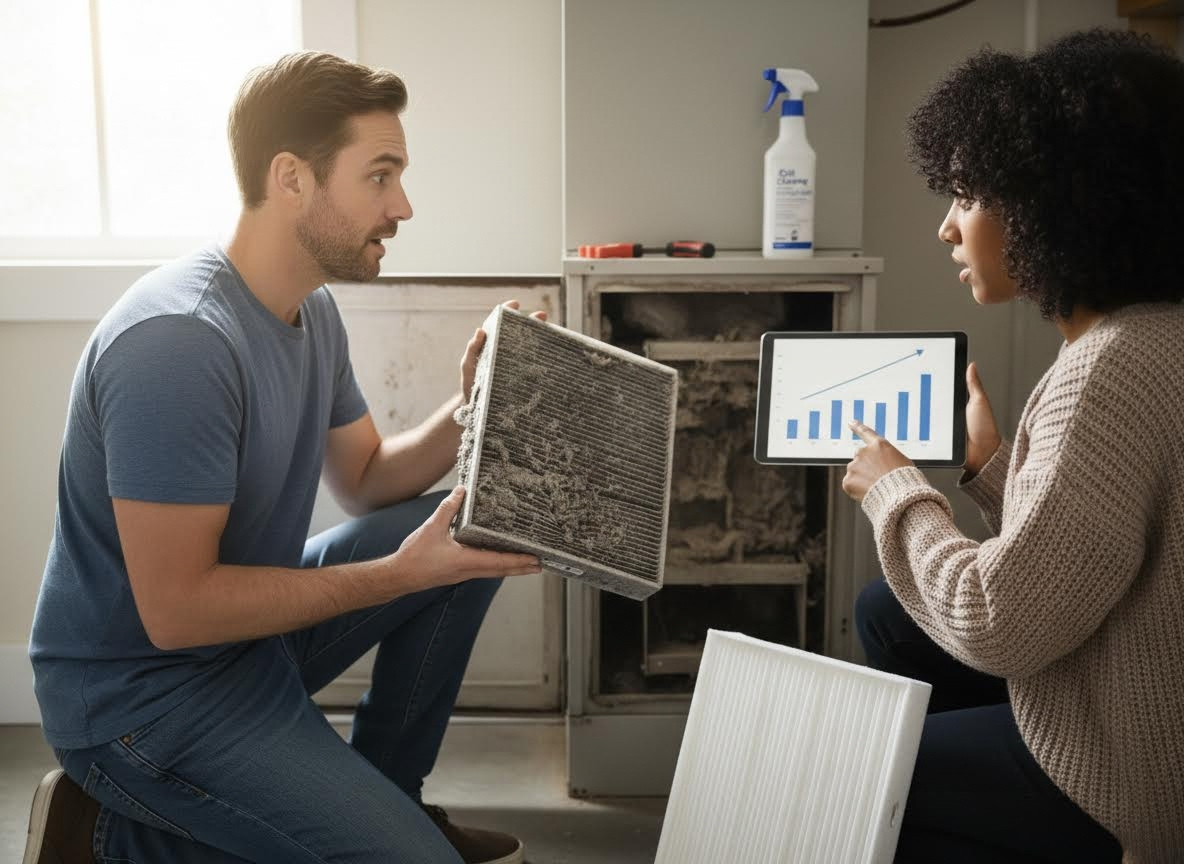
One of the most overlooked causes of escalating energy bills is a lack of regular HVAC maintenance. When your system isn't properly maintained, components can become dirty, worn, or less efficient, forcing the unit to consume more power to achieve the same results. Simple tasks like replacing clogged air filters, cleaning coils, checking refrigerant levels, and ensuring proper airflow can significantly improve your Residential HVAC system's efficiency. Neglecting these essential services can lead to breakdowns, reduced performance, and, inevitably, higher energy costs, ultimately shortening the lifespan of your equipment.
Smart Solutions for Lasting Savings
Taking proactive steps can help mitigate energy bill spikes and reduce overall consumption. Installing a smart thermostat allows you to program heating and cooling schedules, even when you're away, and can learn your habits to optimize energy use. Upgrading to a high-efficiency Residential HVAC system, properly sealing leaks around windows and doors, and improving insulation can yield substantial long-term savings. Adopting energy-saving habits, such as using natural light, unplugging unused electronics, and running appliances during off-peak hours, also makes a difference. Whether it’s optimizing a home’s Residential HVAC, managing a large Commercial HVAC setup, or maintaining Multi-Family Residential HVAC systems, implementing smart solutions and regular maintenance are universal keys to efficiency.
Understanding the various factors that influence your energy consumption is crucial for maintaining a comfortable home and a manageable budget. By addressing inefficiencies in your Residential HVAC system and throughout your household, you can significantly reduce those unwelcome bill spikes. Atlantis Comfort Systems is dedicated to providing tailored, environmentally conscious solutions that optimize your comfort and contribute to long-term cost savings. We invite you to learn more about how our expert team can help identify energy-saving opportunities in your property.