Living in picturesque coastal Rhode Island offers stunning views and refreshing breezes, but it also presents a unique challenge for your home's air conditioning system: the relentless salt air. This seemingly innocuous element can accelerate wear and tear on your outdoor AC unit, leading to reduced efficiency and costly repairs. At Atlantis Comfort Systems, we understand these local environmental factors and are dedicated to helping you protect your investment and maintain your indoor comfort. This post will delve into the science behind coastal corrosion and offer practical solutions to safeguard your AC unit.
The Salty Scourge: Understanding Pitting Corrosion
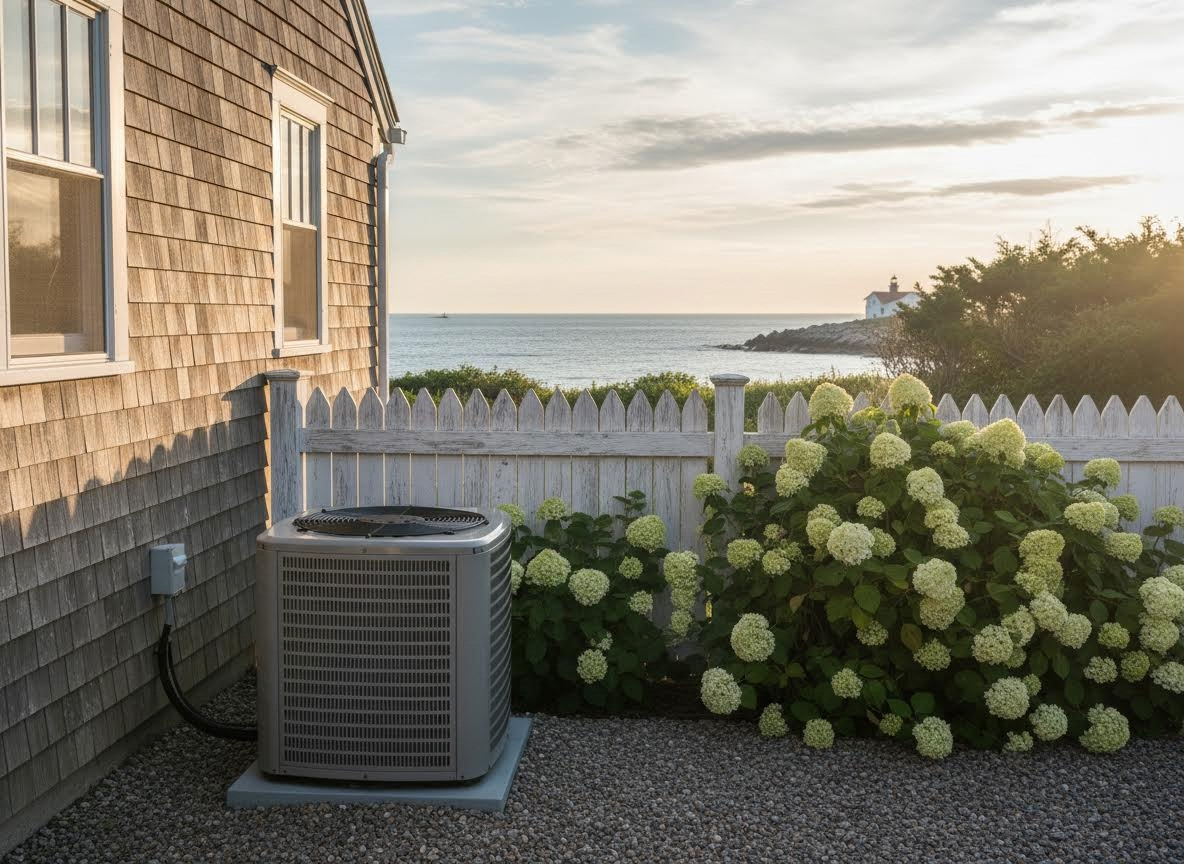
Coastal environments, such as those in Newport or Narragansett, are beautiful but harsh on HVAC equipment. The microscopic salt particles carried by the sea breeze and salt spray are highly corrosive, especially to the aluminum and copper components typically found in outdoor condenser coils. This phenomenon is known as pitting corrosion, in which localized areas of the metal surface erode, forming small, deep pits. Unlike uniform corrosion, which spreads evenly, pitting corrosion can cause significant structural damage in concentrated spots, compromising the coil's integrity and heat transfer capabilities much faster than in inland areas.
Warning Signs: Is Your AC Unit Suffering from Salt Air Damage?
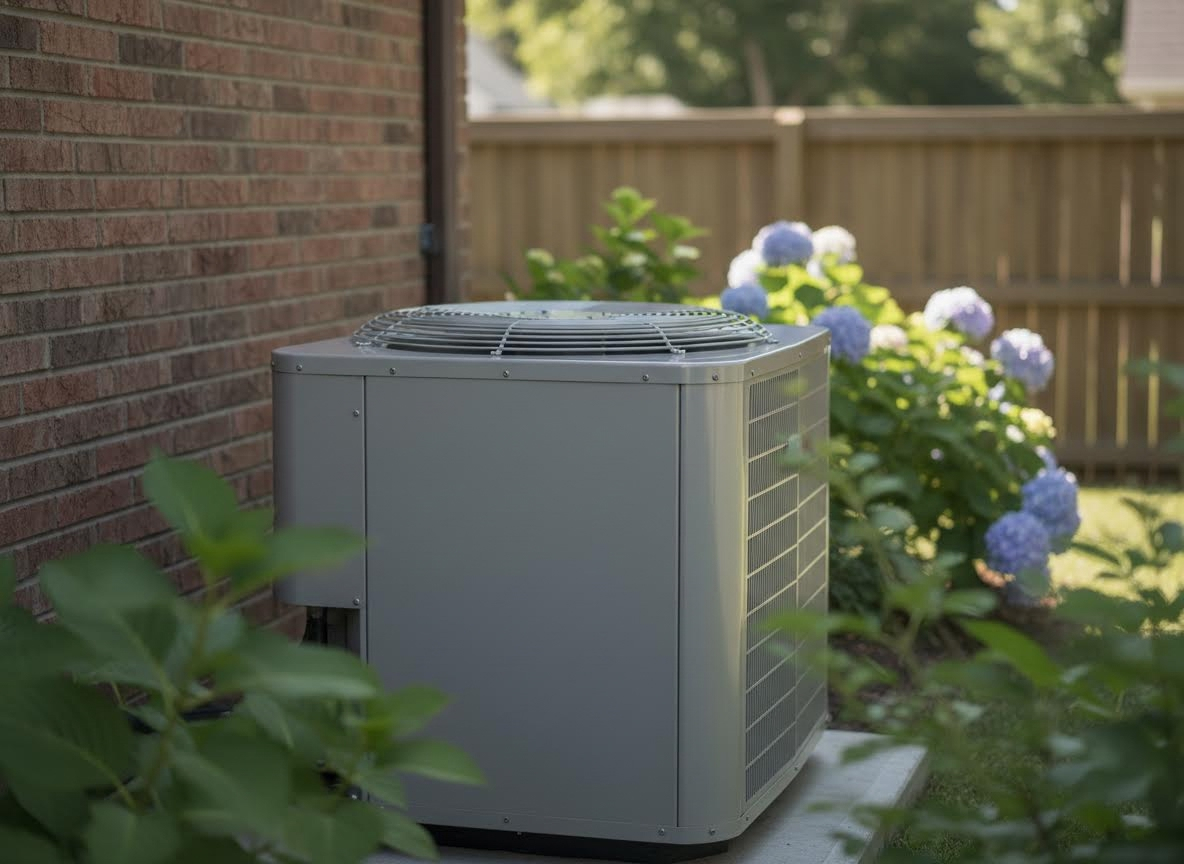
Recognizing the early signs of salt air damage can help you address the issue before it escalates into a major breakdown. Keep an eye out for visible indicators on your outdoor unit, such as flaking or crumbling fins, discoloration (often white or green powdery residue), and rust formation on metal components.
Beyond what you can see, you might notice a reduction in your cooling system's efficiency. If your AC is running longer cycles to reach the desired temperature, struggling to cool your home, or producing higher energy bills without a change in usage, it could be a sign that corrosion is impacting its performance.
Proactive Homeowner Protection: Simple Steps to Extend AC Life
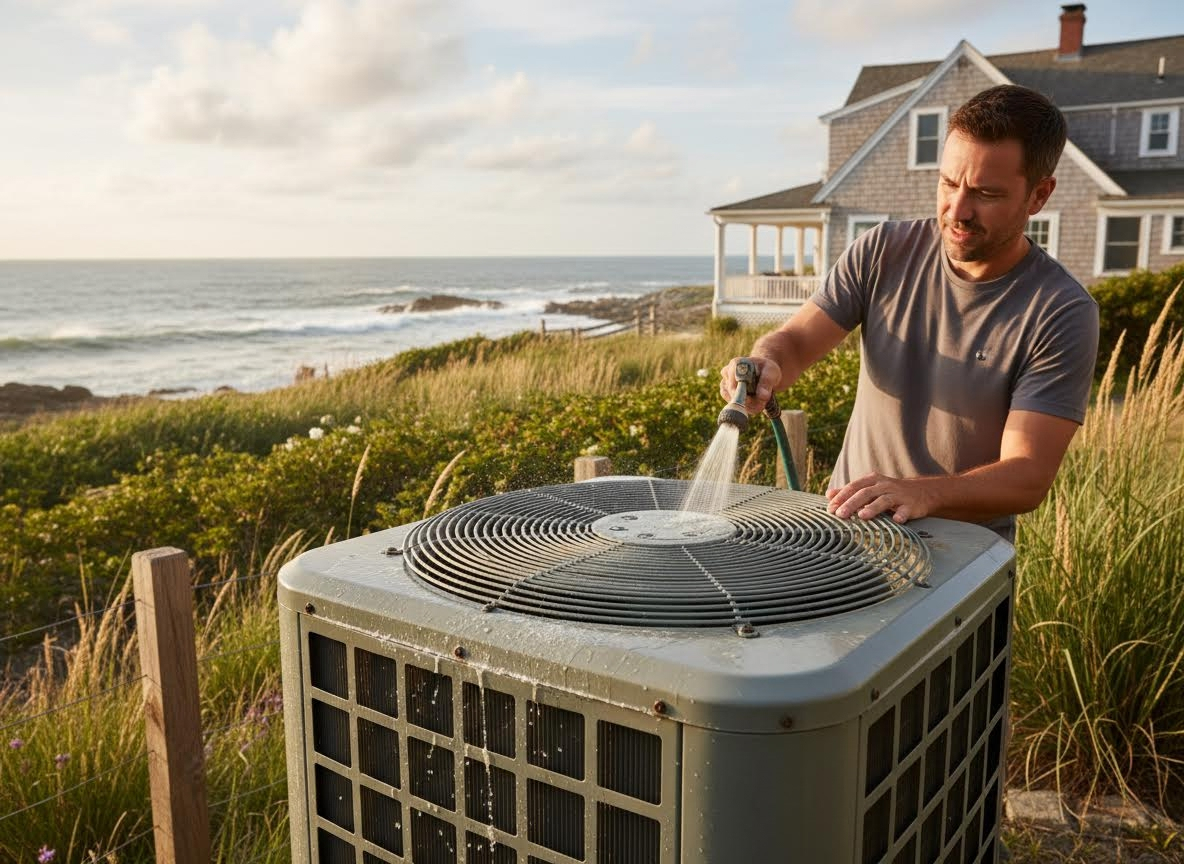
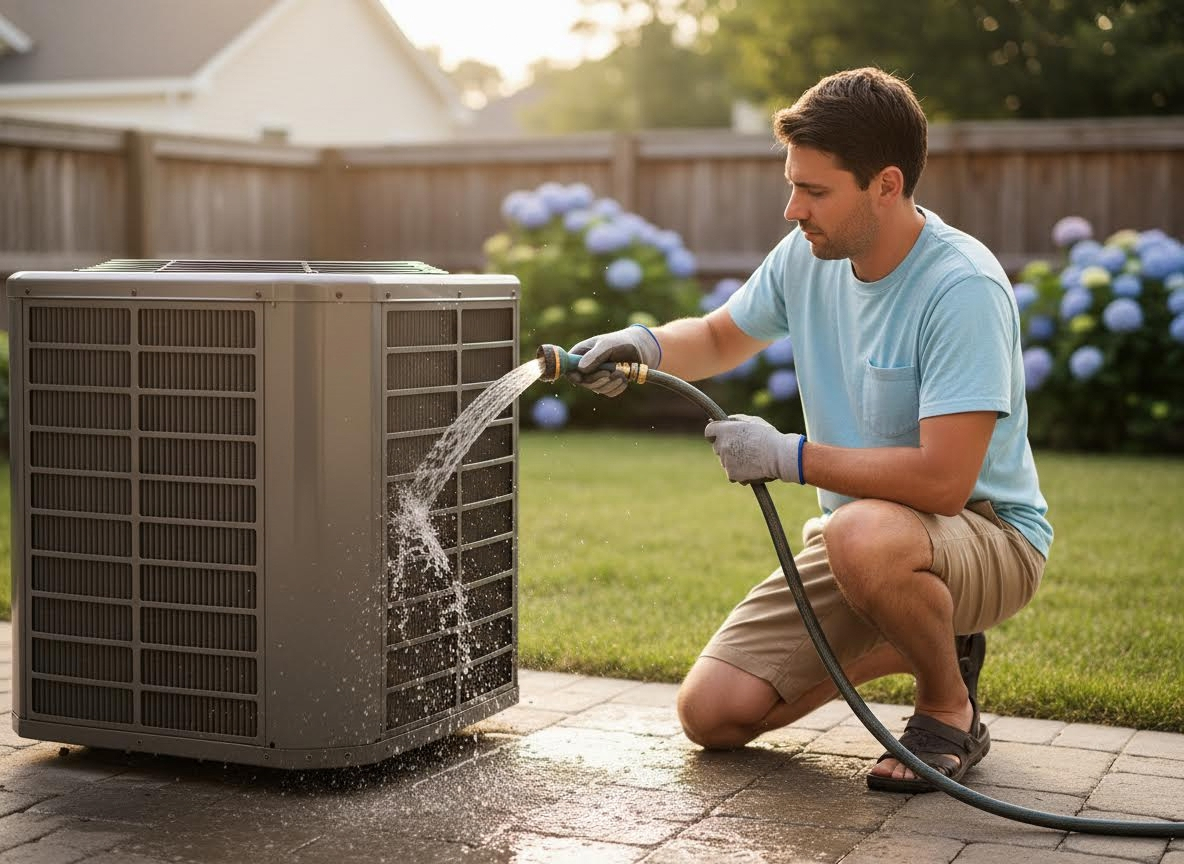
While you can't move your home away from the coast, you can take simple yet effective steps to mitigate salt air's impact on your AC unit. One of the easiest and most important actions is to gently rinse your outdoor condenser unit with fresh water regularly, especially after a storm or during periods of heavy salt spray. Use a standard garden hose with a low-pressure nozzle, directing the water from the top down to wash away salt deposits and other corrosive elements. Ensure the unit is turned off before rinsing. Additionally, consider planting salt-tolerant shrubs or installing a permeable barrier a few feet away from the unit to help deflect some of the direct salt spray, but ensure there's still ample airflow.

The Atlantis Comfort Difference: Professional Coastal Protection
For comprehensive and long-lasting protection against Rhode Island's harsh coastal elements, professional solutions are often necessary. Our experienced team offers specialized HVAC maintenance plans designed for coastal environments. This includes thorough cleaning, inspection for early signs of corrosion, and the application of coastal-grade protective coatings to your condenser coils. These durable coatings create a barrier against salt, moisture, and other corrosive agents, significantly extending the lifespan of your unit and maintaining its efficiency. Investing in these specialized services can prevent premature system failure, reduce repair costs, and ensure your comfort for years to come.
Protecting your AC system from Rhode Island's coastal salt air is crucial for its longevity and your comfort. By understanding the risks, recognizing the signs of corrosion, and taking proactive steps, you can significantly extend the life of your equipment. For tailored advice and professional maintenance solutions that stand up to the unique challenges of coastal living, we invite you to learn more about how Atlantis Comfort Systems can safeguard your home's heating and cooling. Contact us today.